
Companies that adopt a Lean manufacturing approach often use Kamishibai boards as a visual audit management tool.
Kamishibai boards use highly visual, color-coded "pass or fail" flags on a wall-mounted board to give the production team a way to see whether it has completed a procedure successfully or whether it has failed a quality audit.
Key takeaways
- Kamishibai boards use a simple two-sided card system (typically red and green) to provide an immediate, at-a-glance status of process adherence.
- For maintenance teams, these boards are effective for verifying routine preventive maintenance, safety checks, and cleaning procedures.
- Unlike Kanban boards that manage workflows, Kamishibai boards focus on ensuring that teams perform recurring tasks consistently and correctly.
What is a Kamishibai board?
A Kamishibai board is a visual management tool that uses color-coded cards to track whether teams have completed routine maintenance tasks and audits successfully or if they require further attention.
The Kamishibai system provides a simple way to manage daily quality control throughout your facility, encouraging everyone involved to stay on top of their tasks so everyone catches quality issues before they become problems.
How Kamishibai connects to lean manufacturing
Just like the poka-yoke approach, which aims to reduce mistakes by simplifying complex actions and ideas, Kamishibai offers a way to streamline your auditing and quality processes without sacrificing the speed you need to catch problems early.
Using visual cues, this system simplifies communicating the status of your business's auditing procedures. It catches problems or errors early.
Kamishibai as part of total productive maintenance
Managers and quality professionals use Kamishibai boards as auditing and process confirmation tools. They also use them to oversee total productive maintenance (TPM).
TPM covers all elements of the business, from employees to safety and equipment. The strategy ensures each system runs efficiently and effectively.
TPM clears away the obstacles that cause waste, downtime, and accidents across every department.

Autonomous maintenance through Kamishibai
Once a TPM system is in place, it requires ongoing oversight. Quality personnel need to continue checking, auditing, and reviewing each moving part. That's where Kamishibai boards become invaluable.
Once you set up Kamishibai, several aspects of the system run themselves. The person responsible for each process has the power to improve processes and prevent issues before they happen.
For example, a manager might create preventive maintenance workflows instead of a reactive maintenance plan that results in unsafe and unexpected outages. This proactive approach helped Villages Golf and Country Club boost their preventive work by 116% while decreasing reactive work by 30%.
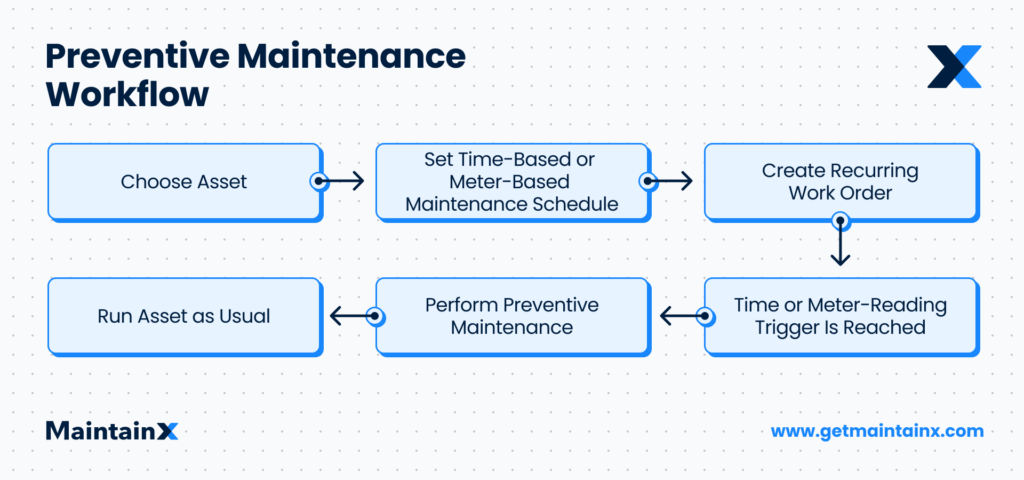
With this straightforward audit system, managers can mount Kamishibai cards on facility walls. The display offers simple visual control of how maintenance is running.
Benefits of Kamishibai boards for maintenance teams
Kamishibai boards offer specific advantages for maintenance and reliability teams in asset-intensive industries looking to improve process control and accountability.
- Standardize routine maintenance: Create cards for daily inspections, lubrication routes, and preventive maintenance checks to ensure every technician performs tasks consistently
- Real-time visibility: Supervisors can see at a glance which tasks are complete, pending, or failed, allowing immediate issue resolution
- Empower technicians: Failed audits prompt conversations about process improvements rather than individual blame, leading to valuable insights for continuous improvement
For maintenance managers in manufacturing facilities, this approach shifts focus from reactive troubleshooting to proactive process improvement.
How to create a Kamishibai board
Decide where to put your board
Kamishibai boards are most effective when you mount them on walls near work areas, like at production line entries, maintenance shops, or equipment rooms where technicians gather for shift changes. A whiteboard, pinboard, or purpose-designed system to hold Kamishibai cards will all work well.
Define types of audits and their frequency
You'll need to break your board into sections for each audit process or department. For example, you could add columns for safety, quality, and overall cleanliness of your facility.
Note the main audit categories you use when you inspect each process. A daily Gemba walk (a management practice where supervisors observe work processes firsthand) might fall into a cleanliness column, while a weekly quality control audit might be another.
Leadership can use Kamishibai to conduct weekly, monthly, or quarterly audits effectively. You can arrange your board to display these periodic checks.
Create your card system
Kamishibai cards are simply double-sided cards that indicate a successful pass on one side (often color-coded green). The other side represents a fail (typically red).
A popular way of maintaining a Kamishibai board is to use T-cards—simple index-style cards that fit into purpose-built slots. Another option is using a hanging card (similar to an open/closed sign that you would see in a shop window).
The core purpose of a Kamishibai is to train staff to immediately recognize deviations from the standard output and take corrective action in real time. This is why color coding is so effective—once failures are obvious and visible to everyone involved in the production process, staff can conduct self-audits to correct any errors.
Is Kamishibai different from Kanban?
Lean tools sometimes overlap, and Kamishibai and Kanban boards can look similar at first glance. Kamishibai and Kanban boards are both parts of a lean management system. But, while they look similar, they serve entirely different purposes.
A Kamishibai is most effective for audit processes, standard procedures, and operating methods. A Kanban system effectively tracks process flow.
For example, managers can track motor assemblies across a factory floor or parts consumed for routine maintenance using Kanban boards.
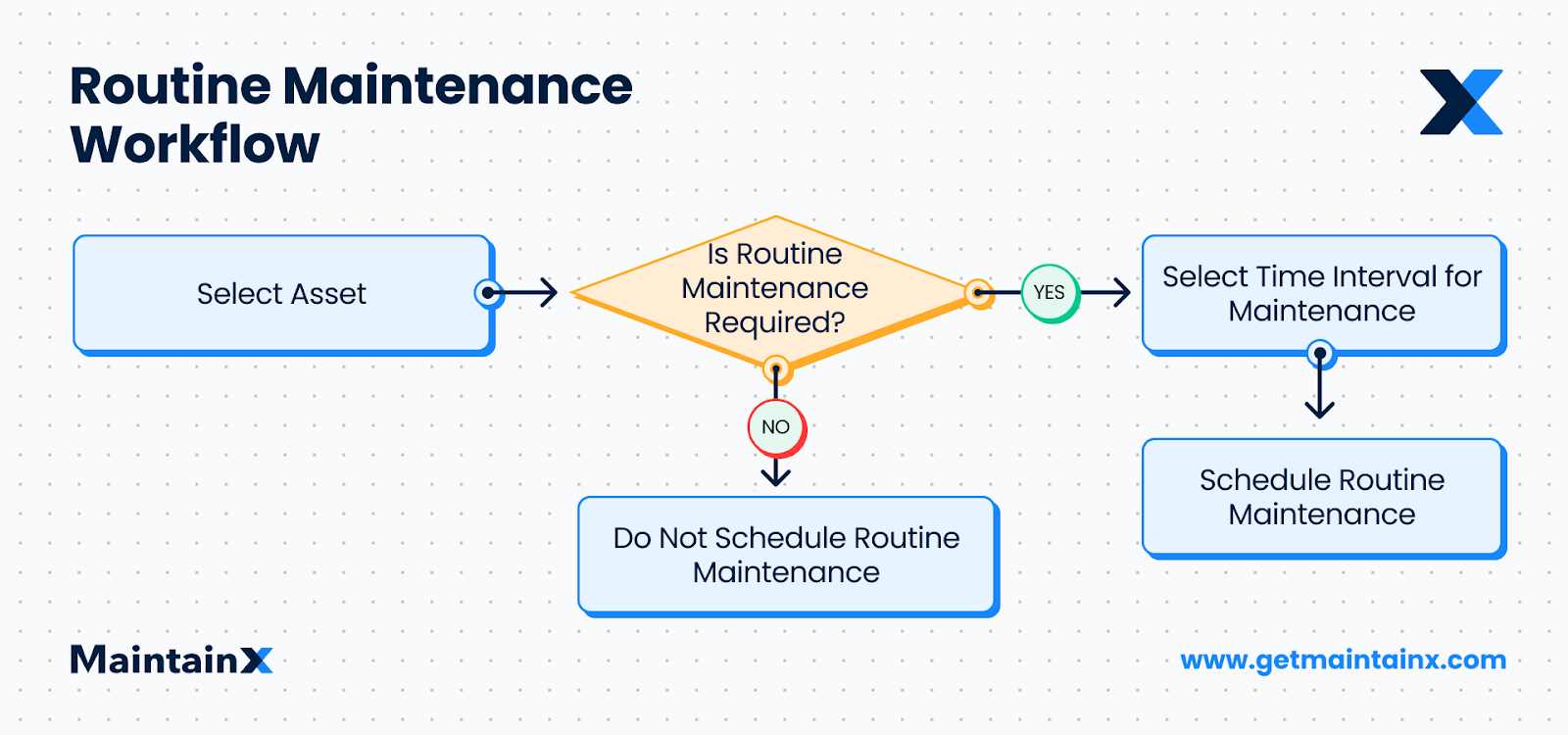
Both use graphic cards as visual cues. However, the purpose of a Kamishibai is to monitor cyclical processes and systems. Kanban boards track linear progress through a pipeline.
Audit the effectiveness of your standard operating procedures and checklists
The purpose of a Kamishibai is not to audit the person responsible for the process. It's to figure out why the process is not working as planned.
For this approach to continuous improvement to succeed, your entire team needs to be on board. Everyone, from admins to technicians, needs to strive for operational excellence.
A manufacturing process regularly failing an audit shouldn't be a reflection of the person responsible. Instead, quality control managers should review standard operating procedures (SOPs) to pinpoint weak points in the process as they work through each audit cycle.
Digital tools enhance Kamishibai effectiveness
Of course, to audit anything effectively, you need a documented standard work procedure to use as a benchmark. This is where maintenance management software like MaintainX provides real value.
You can create SOP templates for everything from preventative maintenance to breakdown maintenance and checklists for daily cleanliness checks. BioKyowa streamlined their critical calibrations and preventive maintenance work orders for USDA audits using this approach.
You can build a library of auditing benchmark documents that will form the foundation of your Kamishibai system.
The final word on Kamishibai boards
A physical Kamishibai board provides excellent visual management for maintenance teams, but it works best when you combine it with digital tools that handle the detailed record-keeping.
While the board delivers immediate visual cues, a computerized maintenance management system (CMMS) like MaintainX stores detailed procedures, tracks performance trends, and enables data-driven improvements. When an audit fails, you can instantly access procedures, attach photos, and assign corrective actions.
This mix of visual boards and digital tracking solves a common problem: outdated systems that hide issues and make it hard to keep processes consistent.


Kamishibai boards in manufacturing FAQs
What tasks work best with Kamishibai boards in manufacturing facilities?
Kamishibai boards excel at tracking high-frequency, critical tasks like daily equipment startup checks, weekly lubrication routes, and monthly safety inspections for fire extinguishers or eyewash stations.
How do maintenance managers get technicians to consistently use Kamishibai boards?
Success depends on team ownership. Involve technicians in creating audit cards and standards. Integrate board reviews into daily huddles and use failed audits as improvement opportunities, not punishment.
Can Kamishibai boards integrate with computerized maintenance management system platforms in industrial settings?
Yes, they complement each other perfectly. The physical board provides visual management (a lean technique that makes work status immediately visible) while the CMMS digitizes procedures and captures data for analysis and compliance reporting.

Caroline Eisner is a writer and editor with experience across the profit and nonprofit sectors, government, education, and financial organizations. She has held leadership positions in K16 institutions and has led large-scale digital projects, interactive websites, and a business writing consultancy.